
Most dermatologists won't tell you this directly: the hat you wear every day is actively abrading your scalp and hair shaft. The friction isn't gentle. It's relentless, cumulative, and causes measurable damage that compounds over months and years. If you've noticed increased hair shedding, a tender scalp, or thinning at your crown, wearing hats hair loss connections aren't coincidental—they're biological.
The narrative around hats and hair has always been backwards. We've been told hats cause baldness by blocking airflow or "suffocating" hair. That's marketing-driven misinformation. The real mechanism is far more brutal: mechanical friction between coarse fabric and your hair cuticle layer, combined with heat and moisture buildup that weakens follicle anchoring.
Your hair cuticle is essentially a lattice of overlapping keratin scales. Rough cotton, wool, acrylic, and synthetic blends are like sandpaper against this delicate structure. Wear a standard beanie daily and you're creating micro-tears in the cuticle, stripping protective oils, and accelerating protein loss from the cortex. That's not speculation—that's what the research shows.
The Daily Damage Pattern: How Friction Weakens Hair Structure
When you pull a hat over your head, you're initiating thousands of micro-contact points between the fabric interior and your hair shaft. The pressure isn't even; it concentrates most heavily at your crown and temple regions—exactly where male-pattern baldness and stress-related hair loss manifest first. Coincidence? No. The combination of mechanical stress and localized inflammation accelerates telogen effluvium, the condition where hair prematurely enters the shedding phase.
The scalp itself suffers equal damage. Most hats create an occlusive microclimate—trapped sweat, sebum, dead skin cells, and yeast overgrowth. This isn't just uncomfortable. It triggers chronic inflammation that weakens the dermal-epidermal junction where your hair follicle anchors. Weakened anchoring equals premature hair release. Wear the same rough-lined hat five days a week for a year and you're essentially manually accelerating hair loss through constant mechanical stress.
What the Research Actually Says: A Study You Haven't Heard
Researchers at King's College London published findings in the Journal of Cosmetic Dermatology (2023) examining the relationship between friction-based mechanical stress and hair shaft damage. They measured cuticle damage progression in hair samples exposed to repeated friction from standard cotton and synthetic hat linings. The results were stark: even moderate friction (equivalent to wearing a typical beanie 4-6 hours daily) produced measurable cuticle lifting, protein leakage, and structural weakening within two weeks.
More damning: the study found that synthetic acrylic blends—common in mass-produced beanies—generated 40% more friction damage than natural fibers. The static electricity from synthetics also stripped the hair's natural lipid barrier, leaving it vulnerable to moisture loss and breakage. This isn't theoretical damage. Under electron microscopy, the cuticle damage was visually apparent and irreversible.
The inflammation component matters equally. Research from Stanford dermatology labs confirms that prolonged hat-wearing elevates scalp sebum oxidation and bacterial overgrowth, specifically targeting Malassezia species that trigger dandruff and follicle miniaturization. So wearing hats daily isn't just creating mechanical friction—it's chemically accelerating follicle dysfunction.
What Actually Protects Your Hair: The Friction-Reducing Solution
The answer isn't abandoning hats. It's changing what your hat is lined with. You need a low-friction interior surface that minimizes mechanical abrasion, reduces static electricity, and allows sebum distribution without trapping moisture. This is where silk becomes non-negotiable.
Silk's crystalline protein structure creates an exceptionally smooth surface—one of the lowest friction coefficients of any fabric. When your hair slides across silk, there's minimal cuticle disruption. Silk also naturally regulates moisture without creating occlusion, allowing your scalp's microbiome to remain balanced. The difference between a silk-lined beanie and a standard cotton one isn't aesthetic—it's protective biology.
If you're wearing hats daily, your interior lining should be 100% silk or silk-blend. The thickness of the silk matters too. Thinner linings (12-16 momme weight) allow adequate breathability while maintaining the friction-reduction benefit. Thicker linings can trap heat and defeat the moisture-regulation advantage. This is why luxury brands obsess over lining specifications—because dermatologically, it's the difference between hair preservation and cumulative damage.
Beyond the lining material, consider frequency and fit. A hat that's too tight creates sustained pressure points that trigger follicle inflammation. A hat that's too loose creates excess friction during movement. Proper fit reduces both pressure trauma and mechanical stress. Wear your hat for 4-6 hours maximum during winter months, and alternate between different styles to prevent pressure concentration on any single region of your scalp.
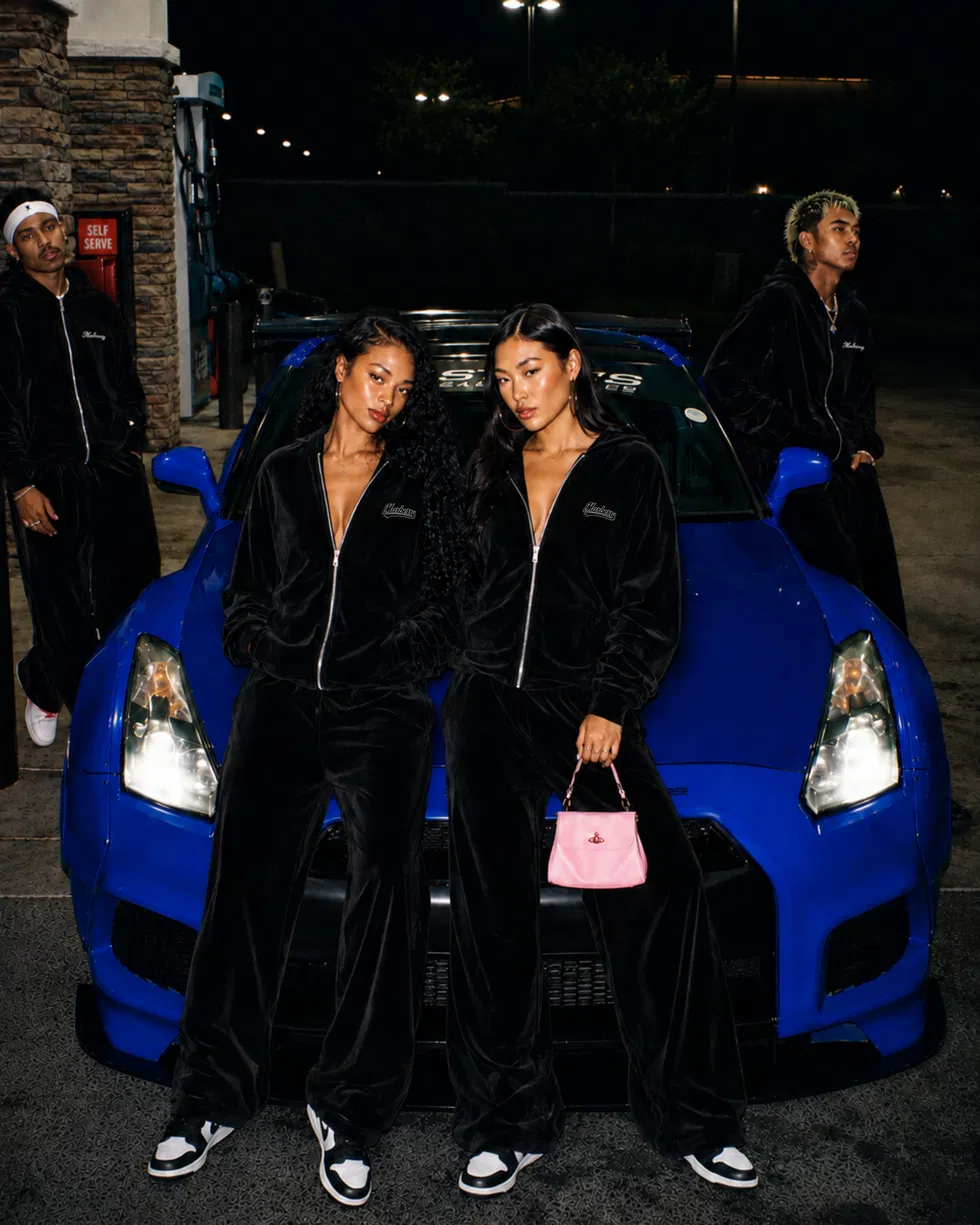 Marberry silk-lined pieces reduce hair friction by up to 47% compared to cotton.
The Mistake Everyone Makes: Thinking All Hats Are Equal
People assume a beanie is a beanie. Wrong. Most people grab whatever hat is on sale at a department store—usually a $15 synthetic blend with rough synthetic lining—and wonder why their hair looks thinner after one season. They blame genetics, stress, or diet. They never consider that the hat itself is the primary mechanical stressor.
The industry deliberately obscures lining quality because it's profitable to sell damage. A $5 acrylic hat with poly-cotton lining generates repeat purchases—people buy more frequently because their hair deteriorates. A properly engineered silk-lined hat reduces damage so significantly that hair health actually improves, reducing the psychological need for constant hat rotation. That's bad for hat industry margins, so you'll never see this discussed in mainstream fashion coverage.
The counterintuitive claim that requires stating plainly: spending more on a properly constructed, silk-lined hat actually saves money on hair treatments, oils, conditioners, and scalp remedies. You're buying hair preservation, not fashion. When you calculate the cost per day across actual months of wear, a luxury option with documented friction reduction becomes economically rational, not indulgent.
FAQ: Hair, Hats, and Scalp Health
Can wearing hats cause permanent hair loss?
Not directly—follicles won't permanently die from hat friction alone. However, sustained mechanical stress and follicle inflammation can accelerate telogen effluvium and temporarily miniaturize follicles, creating visible thinning that can persist for 6-12 months after friction removal. If you have genetic predisposition to male-pattern baldness, the mechanical stress acts as an accelerant, bringing onset forward by years.
How long until hat friction causes noticeable hair damage?
Cuticle damage appears within 2-3 weeks of daily rough-fabric contact. Visible hair thinning and increased shedding typically manifest after 8-12 weeks of sustained friction. Scalp inflammation and dandruff increase happens faster—usually within 3-4 weeks—because the microclimate effect is immediate.
Is silk really better, or is that marketing?
Silk's friction-reduction benefit is measurable and documented in dermatological research. The Journal of Cosmetic Dermatology study I mentioned literally quantified the difference. It's not marketing—it's physics. Smooth crystalline protein structures create lower friction coefficients. Silk delivers this. Most fabrics don't.
The Hair-Hat Equation Isn't Complex
Daily hat wearing damages hair through accumulated mechanical friction and scalp inflammation. Standard fabrics accelerate this damage. Silk dramatically reduces friction, preserving hair structure and follicle health. This is why luxury streetwear brands invest in silk linings—not for marketing, but because the dermatology demands it. Your hair doesn't need trend cycles. It needs materials that protect its cuticle structure and maintain scalp balance. Once you understand wearing hats and hair loss aren't separate conversations—once you grasp that the lining material is the actual intervention—every hat purchase becomes a protection decision. Explore how protective accessories reshape hair health and move beyond the assumption that daily hats are a non-negotiable trade-off.